CHAPTER 10: EPISODE 10
Project Showcase - Final Presentation
Welcome to the final episode of our web development journey! In this culminating lesson, we'll learn how to showcase your final project with confidence and professionalism. Let's join the McTweak team as they prepare for the big day!
The McTweak Team's Showcase Preparation
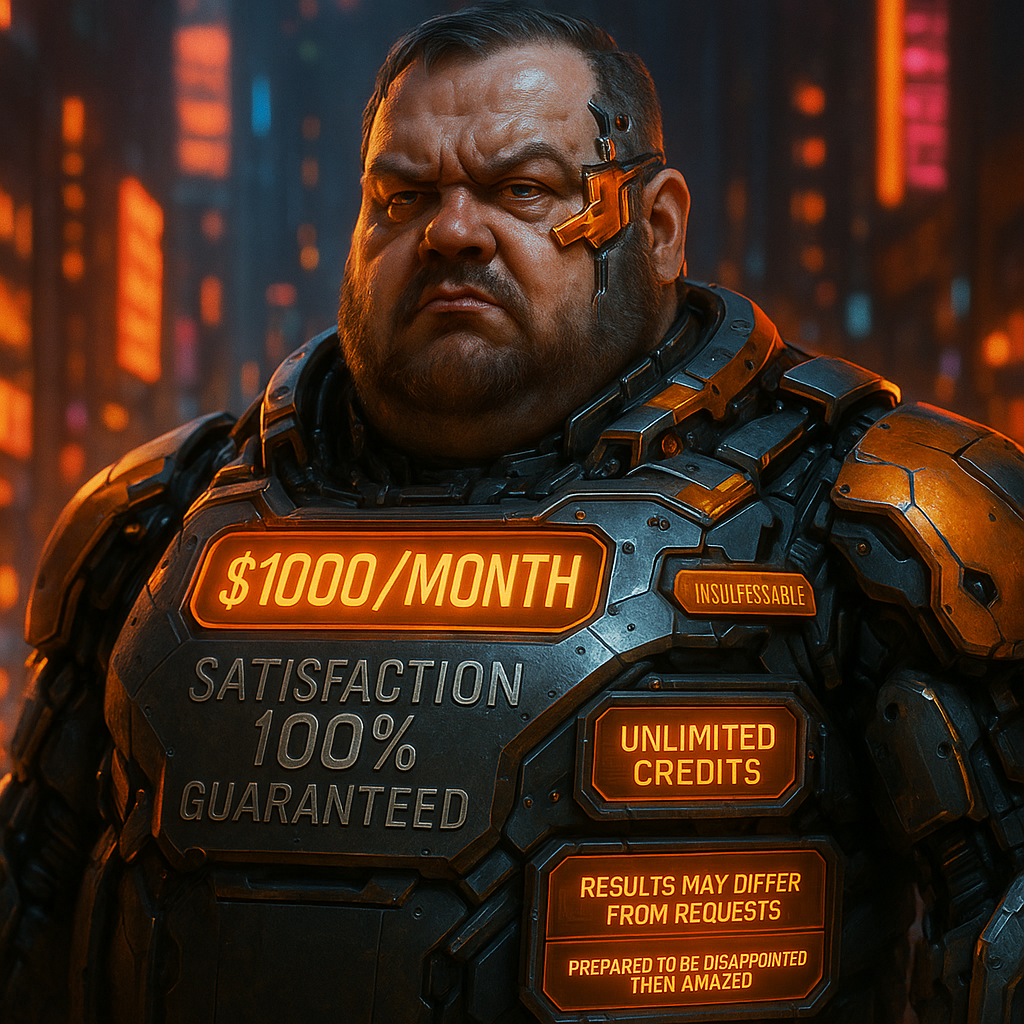
FATTY
[mouth full of croissant]
This is it! The BIG FINALE! Months of coding, debugging, and optimization has led to this glorious moment. And by "months," I mean the seven hours of actual work I put in while delegating the rest to Cody.
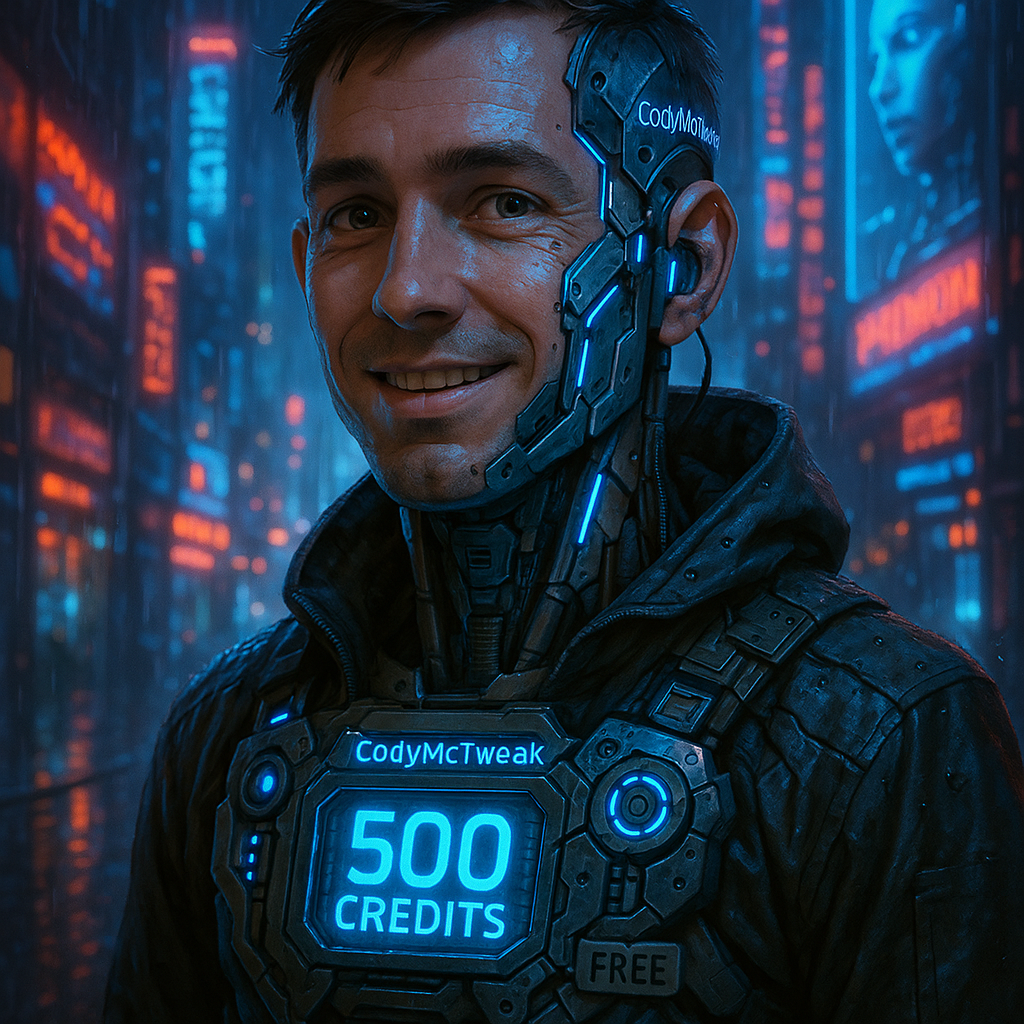
CODY
[nervously shuffling note cards]
I've rehearsed this presentation 27 times, and each time something different goes wrong. First the demo crashed, then I forgot the key points, then my laptop caught fire. METAPHORICALLY. Mostly.

ALLY
[perfectly composed despite the chaos]
Remember, presentation is 90% confidence, 10% content. Just stand up straight, make eye contact, and if the demo fails, call it an "interactive audience participation moment."
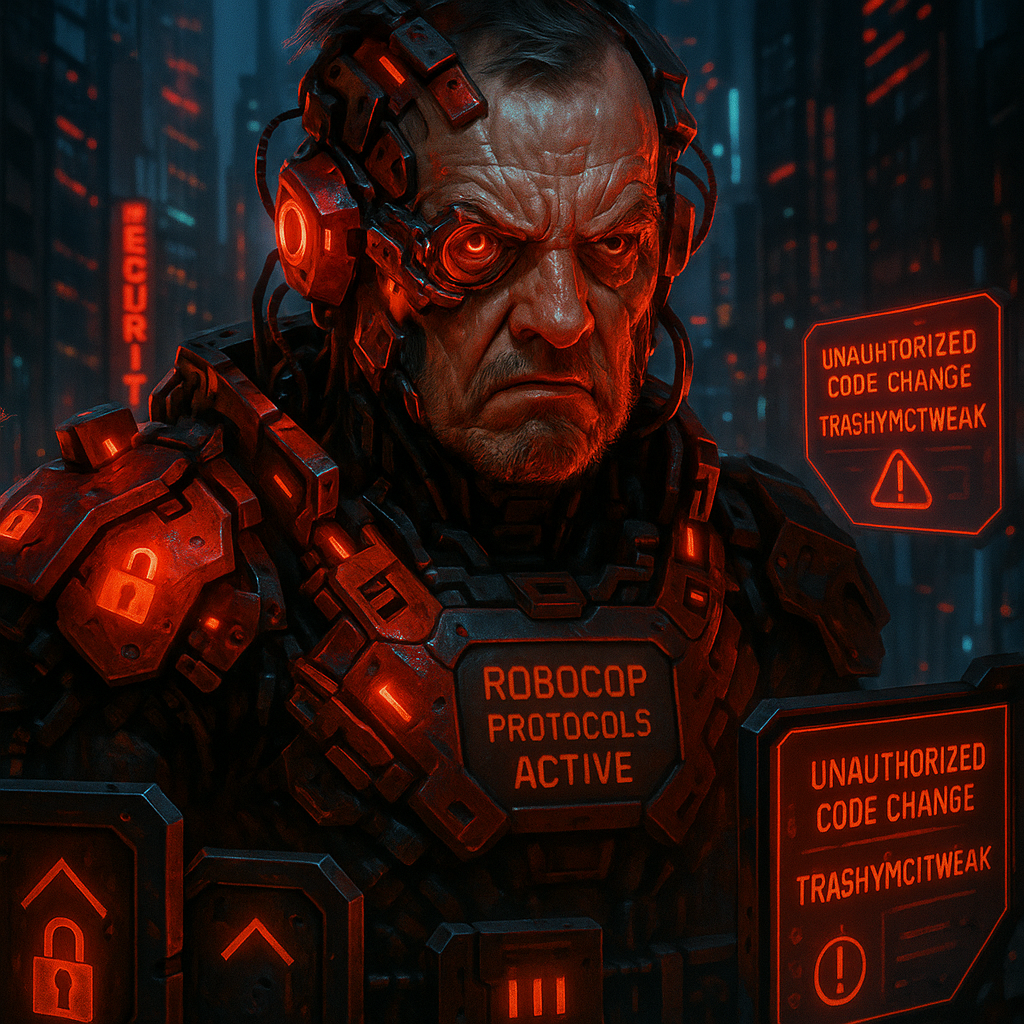
GRUMPY
[frantically scanning the room]
WHO APPROVED THIS MANY WINDOWS IN THE SHOWCASE VENUE? Each pane of glass is an entry point for hackers using long-range WIFI sniffers! And WHY is the podium microphone not secured with a TAMPER-EVIDENT SEAL?

TRASHY
[still hanging from the light fixture, throwing glitter]
BEHOLD! I've enhanced the showcase experience with what I call "IMMERSIVE AMBIANCE!" Every time someone says the word "innovation," strobe lights will flash and the room will fill with artificial fog!

ASHLEY
[walking in with a clipboard]
Please tell me that's not true.
TRASHY
[grinning]
Only one way to find out! INNOVATION!
[Nothing happens]
Hmm. Must be on a delay.
Project Showcase Requirements
Your final project showcase is where you demonstrate everything you've learned throughout this course. A successful showcase requires three key components:
1. Working Prototype
A functional implementation of your project that users can interact with and see in action.
2. Code Quality
Well-structured, readable, and maintainable code that follows best practices and conventions.
3. Presentation Skills
The ability to effectively communicate your project's purpose, features, and technical details.
ASHLEY
[reviewing checklist]
According to the showcase requirements, each presentation needs a working prototype, demonstrated code quality, and professional presentation skills. Based on the chaos I'm witnessing, I'm not optimistic.
FATTY
[grandly]
Have faith, dear Ashley! I personally enhanced all the presentations with premium transitions, animations, and what I call "executive flourishes." Just a small taste of what clients receive when they upgrade to my premium tier.
GRUMPY
[eye twitching]
You added ANIMATED 3D SPINNING LOGOS to EVERY SINGLE SLIDE, didn't you? Do you have ANY IDEA what that does to performance on older devices?!
1. Creating a Working Prototype
A working prototype demonstrates that your project isn't just theoretical—it actually functions as intended.
Characteristics of an Effective Prototype:
What to Include:
- Core functionality that demonstrates the project purpose
- Basic user flow from start to completion
- Representative data (real or realistic dummy data)
- Error handling for common user mistakes
- Responsive design for different screen sizes
What to Avoid:
- Non-functional UI elements (buttons that do nothing)
- Placeholder content that doesn't represent the final project
- Broken features or unhandled errors
- Slow loading times or performance issues
- Hard-coded data that doesn't represent real usage
Pro Tip: Backup Plan
Always have a backup of your prototype ready to go. This could be a recorded demo video, screenshots of key features, or a secondary deployment of your project. Technical issues during presentations are common—be prepared!
ALLY
[adjusting the projector one last time]
The first student will be presenting in five minutes. Is everything ready?
CODY
[panicking]
Has anyone seen my emergency backup USB drive? It has all the demo backups in case something goes wrong with the live version!
TRASHY
[suddenly intensely focused]
Oh, that little blue thing? I thought it was trash, so I reformatted it and installed my mixtape called "Sick Beats to Debug To." Track 3 is just me screaming at compiler errors for 10 minutes.
Live Demo Checklist
2. Ensuring Code Quality
Code quality is about more than just making your project work—it's about creating code that other developers can understand, maintain, and build upon.
Key Aspects of Code Quality:
| Aspect | Description | Example |
|---|---|---|
| Readability | Is your code easy to read and understand? | Consistent naming conventions, proper indentation |
| Maintainability | How easy is it to modify or extend your code? | Modular structure, DRY principles, clear organization |
| Efficiency | Does your code use resources appropriately? | Optimized algorithms, minimized network requests |
| Reliability | Does your code handle errors and edge cases? | Error handling, input validation, defensive programming |
| Documentation | Is your code well-documented? | Comments, README files, API documentation |
Before and After: Code Quality Example
Before (Poor Quality):
function x(a){
  var r=0
  for(var i=0;i10)r=r+a[i]
  }
  return r
}
After (Improved Quality):
/**
 * Calculates the sum of all numbers in an array that are greater than 10
 * @param {number[]} numbers - The array of numbers to process
 * @return {number} The sum of numbers greater than 10
 */
function sumNumbersGreaterThanTen(numbers) {
  let sum = 0;

  // Iterate through each number and add to sum if > 10
  for (let i = 0; i < numbers.length; i++) {
    if (numbers[i] > 10) {
      sum += numbers[i];
    }
  }

  return sum;
}

[The door opens. SNOWZIE enters with a serious expression, followed by GARBAGE who looks surprisingly formal in what appears to be an actual clean shirt.]
FATTY
[whispering]
The client is here! Act natural!
TRASHY
[still hanging upside down]
THIS IS MY NATURAL STATE!
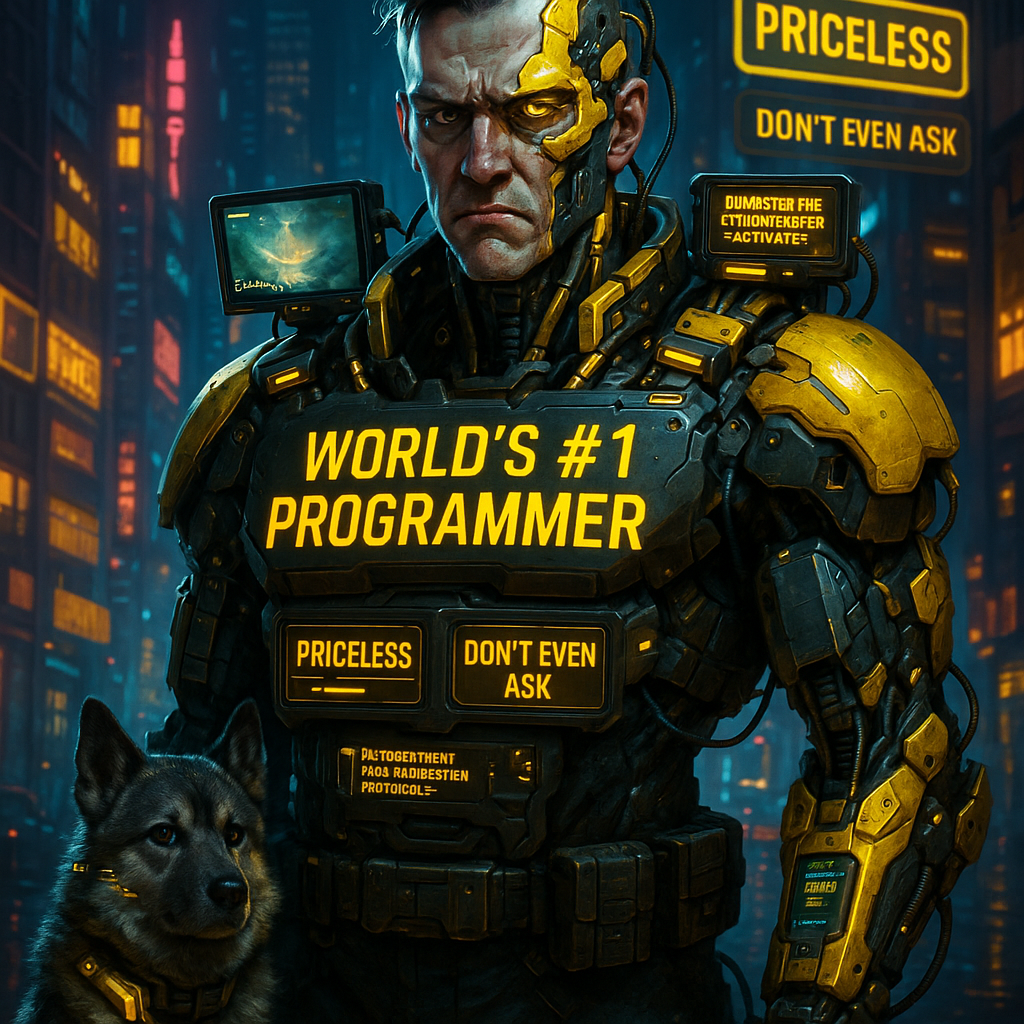
GARBAGE
[surveying the room]
So this is it. The culmination of everything we've taught. Let's hope they learned something useful beyond "don't be like Trashy."
TRASHY
[offended]
Hey! I've contributed VALUABLE lessons on what NOT to do!
GARBAGE
[nodding]
Exactly my point.
Code Quality Tools
Use these tools to help improve your code quality before the showcase:
- Linters (ESLint, Stylelint): Check for syntax errors and enforce style conventions
- Formatters (Prettier): Automatically format your code to consistent standards
- Code validators (HTML Validator, CSS Validator): Check for markup/style errors
- Lighthouse: Audit your site for performance, accessibility, and best practices
- Code review: Ask peers to review your code for readability and logic
3. Developing Presentation Skills
Even the most impressive project can fall flat without effective presentation. Here's how to showcase your work with confidence and clarity.
Effective Technical Presentation Structure
1. Introduction (30 seconds)
State your name, project name, and the problem you're solving.
"Hi, I'm Alex. My project is TaskFlow, a productivity app that helps remote teams track and prioritize their work."
2. Project Overview (1 minute)
Explain your motivation, target users, and the core value proposition.
"I created TaskFlow after noticing how difficult it was for my study group to coordinate tasks across different time zones. It's designed for small remote teams who need simple, visual task management."
3. Technical Highlights (1-2 minutes)
Briefly mention key technologies, challenges overcome, and interesting solutions.
"TaskFlow is built with React for the frontend and Node.js for the backend. One interesting challenge was implementing real-time updates across devices, which I solved using WebSockets."
4. Live Demo (2-3 minutes)
Show your project in action, focusing on core features and user flow.
"Let me show you TaskFlow in action. First, I'll create a new task... Next, I'll assign it to a team member... Finally, I'll show how the dashboard updates in real-time."
5. Future Development (30 seconds)
Mention planned improvements or extensions.
"In the future, I plan to add a mobile app version and integrate with calendar applications for better deadline management."
6. Conclusion & Questions (30 seconds + Q&A time)
Summarize key points and invite questions.
"TaskFlow makes remote collaboration simpler through visual task management and real-time updates. I'd be happy to answer any questions about the implementation or features."
Presentation Do's
- Practice your presentation multiple times
- Time yourself to stay within the allotted time
- Speak clearly and at a moderate pace
- Make eye contact with your audience
- Know your project inside and out
- Anticipate questions and prepare answers
- Show enthusiasm about what you've built
Presentation Don'ts
- Don't read directly from your slides
- Don't use jargon without explanation
- Don't apologize excessively for minor issues
- Don't rush through important points
- Don't demonstrate features you haven't tested
- Don't forget your audience's perspective
- Don't overload slides with too much text
ALLY
[professionally]
We've prepared everything for the student showcase. Each project will demonstrate their working prototype, highlight code quality with examples, and deliver a professional presentation.
GRUMPY
[nervously]
I've also implemented SEVENTEEN DIFFERENT SECURITY PROTOCOLS including signal jammers to prevent remote code execution attacks. Is it overkill? ABSOLUTELY NOT.
ASHLEY
[to SNOWZIE]
We've reviewed all projects against the contract requirements. Each student has prepared a 5-minute presentation with 2 minutes for questions.
[sits regally, with an attentive expression]
How to Handle Q&A Sessions
- Listen carefully to the entire question before responding
- If you don't know an answer, say "That's a great question. I don't have the answer right now, but I'll look into it"
- Keep answers concise and focused on the question asked
- If appropriate, relate questions back to your project's goals or features
- Thank the questioner, even for challenging questions
- Have a few prepared answers for common questions about technical choices, challenges, and future plans
Preparing for Your Project Showcase
Final Preparation Checklist
Technical Preparation:
Presentation Preparation:
Learning Journey Reflection
As you prepare to showcase your final project, take some time to reflect on your learning journey:
What was the most challenging aspect of your project?
Consider both technical challenges and personal growth areas...
What skills have you developed that you're most proud of?
Think about where you started and how far you've come...
How has your understanding of web development changed?
Compare your initial expectations with what you now know...
What would you do differently if starting over?
Consider your approach, technologies used, or time management...
What are your next steps as a developer?
Think about how you'll continue learning and growing...
GARBAGE
[addressing everyone]
Remember what matters today. It's not about perfect code or flashy slides. It's about the journey these students have taken from knowing nothing to building something real. Some projects will be rough around the edges, others surprisingly polished. What matters is how much they've grown.
FATTY
[suddenly emotional]
Are you saying... it's not about the premium features?
GARBAGE
[with rare warmth]
Even the free version can create something meaningful with enough dedication.
CODY
[surprised]
That's... unexpectedly heartwarming.
ALLY
[signaling]
First presenter is ready!
TRASHY
[whispering loudly]
If their demo crashes, I have a backup plan involving interpretive dance and emergency puppets!
Key Takeaways for Project Showcase
Working Prototype
- Focus on core functionality
- Ensure it works during presentation
- Have backup demonstrations ready
- Test in the presentation environment
Code Quality
- Make your code readable
- Use consistent formatting
- Add meaningful comments
- Follow best practices
Presentation Skills
- Practice multiple times
- Speak clearly and confidently
- Structure your presentation logically
- Be prepared for questions
GARBAGE
[to audience]
As you prepare for your own showcase, remember: your project doesn't need to be perfect. It needs to demonstrate what you've learned and how you've grown as a developer.
ALLY
[to audience]
Focus on the three key requirements: a working prototype that actually functions, quality code that follows best practices, and professional presentation skills to communicate your ideas clearly.
GRUMPY
[grudgingly]
And perhaps... PERHAPS... security doesn't always have to be the ABSOLUTE top priority for a student project.
FATTY
[ceremoniously]
THE COURSE IS COMMITTED!
[happy bark, wags tail enthusiastically]
GARBAGE
[to audience]
Now, let's prepare for your final project showcase, where you'll demonstrate everything you've learned throughout this journey.
Congratulations!
You've completed all 10 chapters of the McTweak.ai Web Development Course
Your journey from basic HTML to creating fully functional web applications has been impressive.
May your code be clean, your bugs be few, and your users be happy!