THE DIFFICULTY DILEMMA

TrashyMcTweak:
Check out my new difficulty system! I call it "The Existential Escalator." It starts at "Baby's First Click" and ramps up to "Lovecraftian Horror" in about 30 seconds! Players will be BEGGING for mercy!
GrumpyMcTweak:
Are you INSANE? Have you even CONSIDERED the security implications? Players will exploit your difficulty curve to gain unauthorized access to game resources! I've already identified SEVENTEEN potential attack vectors in your ridiculous system!
FattyMcTweak:
Both of you are amateurs. My Premium Ultra-HD Difficulty System™ features precisely 57 distinct difficulty levels, each with machine-learning-optimized challenge curves that adapt to player performance in real-time. It only requires a few thousand credits and a dedicated server farm.
AllyMcTweak:
Has anyone considered actually making a game that's, I don't know, FUN? Players don't want their souls crushed OR seventeen layers of blockchain-verified difficulty settings. We need balanced progression that challenges without frustrating.

CodyMcTweak:
Guys? My free-tier implementation can only handle two difficulty levels: "Easy" and "Slightly Less Easy." Every time I try to add another level, I get a resource allocation error and my entire system freezes.
AshleyMcTweak:
Has anyone considered the legal implications here? If our game is too challenging, we could face lawsuits for emotional distress! We need an extensive terms of service agreement specifically addressing difficulty-induced anxiety...

[The team is gathered around several computers, each testing different difficulty implementations. Loud frustration noises as screens flash with various "Game Over" and "Too Easy!" messages]
GarbageMcTweak:
*sighs deeply* You're all overthinking this. A simple logarithmic curve with sensible increment values based on current score would solve everything. Here's the implementation. Now can I get back to my Elden Ring speed run?
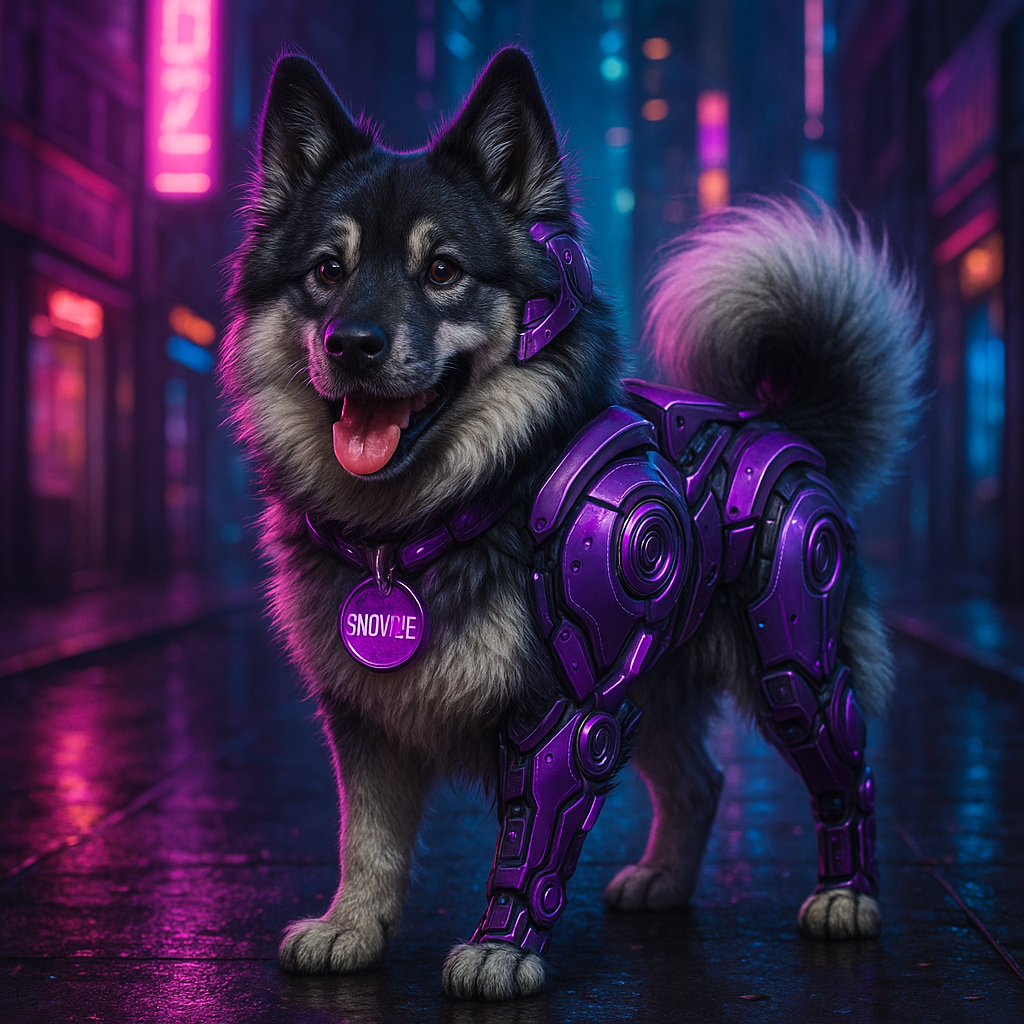
SnowzieMcTweak:
Woof! Good difficulty makes tail wag! Bad difficulty makes growl! Simple progression = happy players = treats for everyone!
Understanding Progressive Difficulty
What Makes a Good Difficulty Curve?
Progressive difficulty is what keeps players engaged with your game. Too easy? Players get bored. Too hard? Players get frustrated and quit. The sweet spot is what game designers call "the flow state" - where challenge increases in step with player skill.
Too Hard
Leads to player frustration and abandonment
Just Right
Challenges players as their skills improve
Too Easy
Results in boredom and lack of engagement
AllyMcTweak:
For our clicker game, we need to carefully balance how difficulty increases. The most common approach is to increase the speed at which targets appear and disappear. Let's implement that with some sensible progression.
Common Difficulty Progression Methods:
- Linear Progression: Difficulty increases at a constant rate (e.g., speed increases by 10% every level)
- Exponential Progression: Difficulty increases more rapidly as players advance (e.g., speed doubles every 3 levels)
- Stepped Progression: Difficulty increases in distinct "jumps" at specific milestones
- Adaptive Progression: Difficulty adjusts based on player performance
For our clicker game, we'll use a combination of linear and stepped progression.
Implementing Difficulty Progression
TrashyMcTweak:
Check out this basic implementation! The targets start appearing at a reasonable rate, then accelerate to LUDICROUS SPEED as the player's score increases!
// Game variables
let score = 0;
let targetSpeed = 1000; // Time in ms that targets remain visible
let minSpeed = 300; // Minimum time targets remain visible (maximum difficulty)

// Update game difficulty based on score
function updateDifficulty() {
    // Reduce target display time as score increases (makes game harder)
    targetSpeed = 1000 - (score * 10);

    // Ensure we don't go below minimum speed
    if (targetSpeed < minSpeed) {
        targetSpeed = minSpeed;
    }

    console.log("Current difficulty: Target speed = " + targetSpeed + "ms");
}

// Create a new target
function createTarget() {
    // Create target
    const target = document.createElement('div');
    target.className = 'game-target';
    target.innerText = '+1';

    // Position randomly on screen
    target.style.position = 'absolute';
    target.style.left = Math.random() * 80 + '%';
    target.style.top = Math.random() * 80 + '%';

    // Add to game container
    document.getElementById('game-container').appendChild(target);

    // Remove after delay based on current difficulty
    setTimeout(() => {
        if (target.parentNode) {
            target.parentNode.removeChild(target);
        }
    }, targetSpeed);

    // Handle click
    target.addEventListener('click', () => {
        score++;
        updateDifficulty(); // Update difficulty on every score increase
        document.getElementById('score-display').innerText = score;
        target.parentNode.removeChild(target);
    });
}

// Start game loop
setInterval(createTarget, 1500); // Create a new target every 1.5 seconds
GrumpyMcTweak:
WHAT?! This code is a SECURITY NIGHTMARE! No input validation, no upper or lower bounds checking, and DIRECT DOM MANIPULATION without sanitization! And the difficulty curve is WAY too aggressive. Players will be facing IMPOSSIBLE challenges by score 50!
AllyMcTweak:
Grumpy's right about the curve being too steep. Let's improve this by using a more balanced formula and adding difficulty levels with clear thresholds. We should also add comments to explain our approach.
// Game variables
let score = 0;
let level = 1;
let targetSpeed = 1000; // Time in ms that targets remain visible
let targetFrequency = 1500; // Time between target spawns
let gameInterval;

// Difficulty settings - these control how the game scales
const difficultySettings = {
    // Define level thresholds
    levelThresholds: [0, 10, 25, 50, 100, 200],

    // Base target visibility time for each level (in ms)
    baseSpeedByLevel: [1000, 900, 800, 700, 600, 500],

    // Base target spawn frequency for each level (in ms)
    baseFrequencyByLevel: [1500, 1300, 1100, 900, 700, 600],

    // Minimum speed (maximum difficulty)
    minSpeed: 300
};

/**
 * Updates the game's difficulty based on the current score
 * This uses a stepped progression approach with fine adjustments
 */
function updateDifficulty() {
    // Determine current level based on score thresholds
    for (let i = difficultySettings.levelThresholds.length - 1; i >= 0; i--) {
        if (score >= difficultySettings.levelThresholds[i]) {
            if (level !== i + 1) {
                level = i + 1;
                // Announce level change to player
                showLevelUp(level);
            }
            break;
        }
    }

    // Get base values for current level
    const baseSpeed = difficultySettings.baseSpeedByLevel[level - 1];
    const baseFrequency = difficultySettings.baseFrequencyByLevel[level - 1];

    // Apply fine adjustment within the level (subtle progression)
    // Calculate how far into the current level the player is
    const currentThreshold = difficultySettings.levelThresholds[level - 1];
    const nextThreshold = difficultySettings.levelThresholds[level] || Number.MAX_SAFE_INTEGER;
    const levelProgress = score - currentThreshold;
    const levelSize = nextThreshold - currentThreshold;
    const progressPercent = Math.min(levelProgress / levelSize, 1);

    // Adjust speed and frequency based on progress within level (small adjustments)
    // This creates smooth difficulty changes within each level
    const speedRange = level < difficultySettings.baseSpeedByLevel.length ?
        baseSpeed - difficultySettings.baseSpeedByLevel[level] : 100;
    const frequencyRange = level < difficultySettings.baseFrequencyByLevel.length ?
        baseFrequency - difficultySettings.baseFrequencyByLevel[level] : 100;

    targetSpeed = Math.max(baseSpeed - (speedRange * progressPercent), difficultySettings.minSpeed);
    targetFrequency = Math.max(baseFrequency - (frequencyRange * progressPercent), 500);

    // Update game interval if needed
    updateGameInterval();

    // Update UI to show current level
    document.getElementById('level-display').innerText = level;
}

/**
 * Updates the interval that spawns targets based on current difficulty
 */
function updateGameInterval() {
    // Clear existing interval
    if (gameInterval) {
        clearInterval(gameInterval);
    }

    // Create new interval with updated frequency
    gameInterval = setInterval(createTarget, targetFrequency);
}

/**
 * Shows a level up notification to the player
 */
function showLevelUp(newLevel) {
    const notification = document.createElement('div');
    notification.className = 'level-up-notification';
    notification.innerText = `Level ${newLevel}!`;
    document.getElementById('game-container').appendChild(notification);

    // Remove notification after animation
    setTimeout(() => {
        if (notification.parentNode) {
            notification.parentNode.removeChild(notification);
        }
    }, 2000);
}

/**
 * Creates a clickable target at a random position
 */
function createTarget() {
    // Create target element
    const target = document.createElement('div');
    target.className = 'game-target';
    target.innerText = '+1';

    // Position randomly
    target.style.position = 'absolute';
    target.style.left = Math.random() * 80 + '%';
    target.style.top = Math.random() * 80 + '%';

    // Add to game container
    document.getElementById('game-container').appendChild(target);

    // Remove after delay based on current difficulty
    const removeTimeout = setTimeout(() => {
        if (target.parentNode) {
            target.parentNode.removeChild(target);
        }
    }, targetSpeed);

    // Handle click
    target.addEventListener('click', () => {
        score++;
        clearTimeout(removeTimeout); // Prevent removal timer from firing
        updateDifficulty(); // Update difficulty
        document.getElementById('score-display').innerText = score;

        // Add visual feedback before removing
        target.classList.add('clicked');
        setTimeout(() => {
            if (target.parentNode) {
                target.parentNode.removeChild(target);
            }
        }, 100);
    });
}

// Initialize the game
function initGame() {
    updateDifficulty();
    createTarget();
}

initGame();
FattyMcTweak:
Better, but still lacking my premium optimization techniques. A truly sophisticated system would use a logarithmic progression curve with dynamic adjustment based on player performance metrics. Though I suppose this will do for the non-premium experience.
CodyMcTweak:
I... I think I can actually run this version! It's well-structured and doesn't require huge resources. The stepped progression with small increments is much more manageable than the exponential difficulty curve in the first version.
Interactive Demo: Speed Increases
Let's see how the speed increases affect gameplay by testing different difficulty levels. This demo shows how targets appear faster and disappear quicker as difficulty increases.
AshleyMcTweak:
From a legal standpoint, we should provide clear indications of difficulty increases to the player. The level-up notifications help with this, but we should also consider visual cues like color changes or animations to signal increasing challenge.
Difficulty Design: Best Practices
Tips for Creating Good Difficulty Progression
DO:
- Start easy to let players learn the mechanics
- Increase difficulty gradually, not suddenly
- Give visual and audio feedback for level changes
- Test with different types of players
- Include difficulty options when possible
- Use a combination of different challenge types
DON'T:
- Make early levels too challenging
- Use unpredictable difficulty spikes
- Rely on a single dimension of difficulty
- Make maximum difficulty impossible to overcome
- Change core mechanics at higher difficulties
- Punish players excessively for failure
Remember: The goal of difficulty progression is to maintain engagement, not to frustrate players!
GarbageMcTweak:
For this clicker game, we should focus on three key factors for difficulty progression: target spawn rate, target visibility duration, and target size. Don't overthink it. Simple logarithmic scaling works fine for casual games.
Complete Implementation
AllyMcTweak:
Let's put it all together with proper visual feedback, well-balanced progression, and good code structure. This implementation includes multiple difficulty factors and clear level transitions.
/**
 * Clicker Game: Progressive Difficulty System
 * This code implements multiple aspects of difficulty progression
 * including target speed, spawn rate, and size changes
 */

// Game state variables
let score = 0;
let level = 1;
let isGameActive = false;
let gameInterval;
let targetSpeed = 1000;    // How long targets remain visible (ms)
let targetFrequency = 1500; // Time between target spawns (ms)
let targetSize = 80;       // Target size in pixels
let targetCount = 1;       // Number of targets spawned at once
let gameContainer;         // Reference to the game container element

// Difficulty settings
const difficultySettings = {
    // Score thresholds for each level
    levelThresholds: [0, 10, 25, 50, 100, 175, 300, 450, 600],

    // Display time for targets at each level (ms)
    baseSpeedByLevel: [1000, 900, 800, 700, 600, 550, 500, 450, 400],

    // Time between spawns at each level (ms)
    baseFrequencyByLevel: [1500, 1400, 1300, 1200, 1100, 1000, 900, 800, 700],

    // Target size at each level (pixels)
    baseSizeByLevel: [80, 75, 70, 65, 60, 55, 50, 45, 40],

    // Targets spawned at once at each level
    targetCountByLevel: [1, 1, 1, 2, 2, 2, 3, 3, 3],

    // Minimum limits (maximum difficulty)
    minSpeed: 300,
    minFrequency: 500,
    minSize: 30
};

// Colors for each level (for visual feedback)
const levelColors = [
    '#4CAF50', // Green
    '#8BC34A', // Light green
    '#CDDC39', // Lime
    '#FFEB3B', // Yellow
    '#FFC107', // Amber
    '#FF9800', // Orange
    '#FF5722', // Deep orange
    '#F44336', // Red
    '#E91E63'  // Pink
];

/**
 * Initializes the game
 */
function initGame() {
    // Get reference to the game container
    gameContainer = document.getElementById('game-container');

    // Set up UI displays
    document.getElementById('score-display').innerText = score;
    document.getElementById('level-display').innerText = level;

    // Set initial difficulty
    updateDifficulty();

    // Add start game button event listener
    document.getElementById('start-game').addEventListener('click', startGame);
    document.getElementById('reset-game').addEventListener('click', resetGame);
}

/**
 * Starts the game
 */
function startGame() {
    if (isGameActive) return;

    isGameActive = true;
    document.getElementById('start-game').disabled = true;
    document.getElementById('game-status').innerText = 'Game Active';

    // Start the game loop
    updateGameInterval();
}

/**
 * Resets the game
 */
function resetGame() {
    // Clear any existing interval
    if (gameInterval) {
        clearInterval(gameInterval);
    }

    // Clear any existing targets
    while (gameContainer.firstChild) {
        gameContainer.removeChild(gameContainer.firstChild);
    }

    // Reset game state
    score = 0;
    level = 1;
    isGameActive = false;

    // Reset UI
    document.getElementById('score-display').innerText = score;
    document.getElementById('level-display').innerText = level;
    document.getElementById('game-status').innerText = 'Ready to Start';
    document.getElementById('start-game').disabled = false;

    // Reset difficulty values
    updateDifficulty();
}

/**
 * Updates the game's difficulty based on current score
 */
function updateDifficulty() {
    // Determine current level based on score
    let newLevel = 1;
    for (let i = difficultySettings.levelThresholds.length - 1; i >= 0; i--) {
        if (score >= difficultySettings.levelThresholds[i]) {
            newLevel = i + 1;
            break;
        }
    }

    // Check if level changed
    if (newLevel !== level) {
        level = newLevel;
        // Show level up notification
        showLevelUp(level);
        // Update game container background to provide visual feedback
        updateLevelVisuals();
    }

    // Get base values for current level
    targetSpeed = difficultySettings.baseSpeedByLevel[level - 1] || difficultySettings.minSpeed;
    targetFrequency = difficultySettings.baseFrequencyByLevel[level - 1] || difficultySettings.minFrequency;
    targetSize = difficultySettings.baseSizeByLevel[level - 1] || difficultySettings.minSize;
    targetCount = difficultySettings.targetCountByLevel[level - 1] || 1;

    // Apply fine-tuning within the level
    // Calculate how far into the current level the player is
    const currentThreshold = difficultySettings.levelThresholds[level - 1] || 0;
    const nextThreshold = difficultySettings.levelThresholds[level] || Number.MAX_SAFE_INTEGER;
    const levelProgress = score - currentThreshold;
    const levelSize = nextThreshold - currentThreshold;
    const progressPercent = Math.min(levelProgress / levelSize, 1);

    // Apply small adjustments based on progress within level
    const speedAdjustment = 50 * progressPercent;
    const frequencyAdjustment = 50 * progressPercent;
    const sizeAdjustment = 5 * progressPercent;

    targetSpeed = Math.max(targetSpeed - speedAdjustment, difficultySettings.minSpeed);
    targetFrequency = Math.max(targetFrequency - frequencyAdjustment, difficultySettings.minFrequency);
    targetSize = Math.max(targetSize - sizeAdjustment, difficultySettings.minSize);

    // Update game interval if game is active
    if (isGameActive) {
        updateGameInterval();
    }

    // Update UI to show current level
    document.getElementById('level-display').innerText = level;
}

/**
 * Updates visual elements to match current level
 */
function updateLevelVisuals() {
    // Update game background to provide visual feedback about current level
    const levelColor = levelColors[level - 1] || levelColors[levelColors.length - 1];
    gameContainer.style.borderColor = levelColor;

    // Add a subtle background glow
    gameContainer.style.boxShadow = `0 0 20px ${levelColor}33`;
}

/**
 * Updates the interval that spawns targets
 */
function updateGameInterval() {
    // Clear existing interval
    if (gameInterval) {
        clearInterval(gameInterval);
    }

    // Create new interval with updated frequency
    gameInterval = setInterval(spawnTargets, targetFrequency);
}

/**
 * Spawns targets based on current difficulty
 */
function spawnTargets() {
    // Spawn multiple targets if the level requires it
    for (let i = 0; i < targetCount; i++) {
        createTarget();
    }
}

/**
 * Creates a clickable target
 */
function createTarget() {
    if (!isGameActive) return;

    // Create target element
    const target = document.createElement('div');
    target.className = 'game-target';

    // Apply current size
    target.style.width = `${targetSize}px`;
    target.style.height = `${targetSize}px`;

    // Apply color based on current level
    const levelColor = levelColors[level - 1] || levelColors[levelColors.length - 1];
    target.style.backgroundColor = levelColor;

    // Position randomly, accounting for target size
    const maxX = gameContainer.offsetWidth - targetSize;
    const maxY = gameContainer.offsetHeight - targetSize;
    target.style.position = 'absolute';
    target.style.left = `${Math.random() * maxX}px`;
    target.style.top = `${Math.random() * maxY}px`;

    // Add to game container
    gameContainer.appendChild(target);

    // Remove after delay based on current difficulty
    const removeTimeout = setTimeout(() => {
        if (target.parentNode) {
            // Add a "miss" animation
            target.classList.add('missed');
            setTimeout(() => {
                if (target.parentNode) {
                    target.parentNode.removeChild(target);
                }
            }, 300); // Animation duration
        }
    }, targetSpeed);

    // Handle click
    target.addEventListener('click', () => {
        // Prevent default click behavior
        event.preventDefault();

        // Increment score
        score++;

        // Clear timeout to prevent "missed" animation
        clearTimeout(removeTimeout);

        // Update difficulty
        updateDifficulty();

        // Update score display
        document.getElementById('score-display').innerText = score;

        // Add "hit" animation
        target.classList.add('hit');
        setTimeout(() => {
            if (target.parentNode) {
                target.parentNode.removeChild(target);
            }
        }, 300); // Animation duration
    });
}

/**
 * Shows a level up notification
 */
function showLevelUp(newLevel) {
    const notification = document.createElement('div');
    notification.className = 'level-up-notification';
    notification.innerText = `Level ${newLevel}!`;

    // Apply color based on level
    const levelColor = levelColors[level - 1] || levelColors[levelColors.length - 1];
    notification.style.color = levelColor;
    notification.style.borderColor = levelColor;

    // Add to game container
    gameContainer.appendChild(notification);

    // Remove after animation
    setTimeout(() => {
        if (notification.parentNode) {
            notification.parentNode.removeChild(notification);
        }
    }, 2000);
}

// Initialize the game when the page loads
window.addEventListener('load', initGame);
TrashyMcTweak:
This is... actually not terrible. But I'd add at least three more visual effects, some explosions, and maybe a screaming sound that gets more desperate as the difficulty increases! DRAMA, PEOPLE! GAMES NEED DRAMA!
GrumpyMcTweak:
At least it has bounds checking and reasonable limitations. I still don't like how it's directly modifying the DOM, but I suppose it's... acceptable. Just barely. Don't expect me to be happy about it.
Your Turn: Speed Increases Activity
Activity: Implement Progressive Difficulty
Now it's your turn to implement a progressive difficulty system in your clicker game! Follow these steps to create a balanced difficulty curve:
Plan Your Difficulty Curve
- Decide how many difficulty levels you want
- Define score thresholds for each level
- Determine which game elements will change
- Sketch a curve showing how difficulty increases
Implement Core Difficulty Variables
- Create a difficulty settings object
- Define base values for each level
- Set minimum and maximum values for each parameter
- Add comments explaining your approach
Create the Difficulty Update Function
- Write a function that checks current score
- Update game parameters based on level
- Add fine-tuning within each level
- Update visual elements to match difficulty
Add Visual Feedback
- Create level-up notifications
- Add visual cues for increasing difficulty
- Change colors/styles based on current level
- Ensure players understand the increasing challenge
Challenge Extension:
Try implementing an adaptive difficulty system that tracks player performance and adjusts difficulty based on their success rate! If players are hitting most targets, increase difficulty faster. If they're struggling, ease off the challenge.
CODE REVIEW
SnowzieMcTweak:
Woof woof! Good difficulty curve makes happy players! Not too easy, not too hard - just right for human brains! APPROVED! *tail wagging intensifies*
CODE IS COMMITTED!
God is good, hug your Elkhound.
Chapter Summary
What We Learned:
- Why Difficulty Progression Matters: Well-designed difficulty curves keep players engaged by matching challenge to skill level.
- Different Progression Methods: Linear, exponential, stepped, and adaptive difficulty systems each have their own benefits.
- Implementation Techniques: How to create a balanced difficulty system using score thresholds and multiple changing parameters.
- Visual Feedback: The importance of showing players when difficulty increases to maintain engagement.
- Testing and Balance: The need to play-test and refine difficulty to ensure it's neither too easy nor too frustrating.
In our next lesson, we'll learn how to implement Game States and create a Reset Function to handle the full lifecycle of our clicker game.