Chapter 9, Episode 4: Click Handling

Event Delegation & Hit Detection

The McTweak Agency Office

TrashyMcTweak
TrashyMcTweak
frantically clicking a mouse button repeatedly CLICK CLICK CLICK CLICK! Why. Isn't. This. WORKING?!
CodyMcTweak
CodyMcTweak
nervously Um, Trashy? You're... you're clicking on a picture of a button. That's not an actual button, that's just a JPEG.
TrashyMcTweak
TrashyMcTweak
I KNOW THAT! I'm TESTING the user experience! If users are dumb enough to click on a picture of a button, we need to CATCH that with event delegation! It's called EMPATHY, Cody. Something your free-tier functionality doesn't include!
AllyMcTweak
AllyMcTweak
walks in, adjusts glasses Actually, that's not a bad point. Event delegation is important for handling unexpected user behaviors. leans in, examines screen Though I'm pretty sure that's not even a JPEG—it's just a sticky note you drew a button on and stuck to your monitor.
TrashyMcTweak
TrashyMcTweak
defensively peels off sticky note It's called RAPID PROTOTYPING! I'm innovating while the rest of you are stuck in your 'code needs to actually run' mindset!
GrumpyMcTweak
GrumpyMcTweak
storms in What is this CHAOS? Are you implementing event listeners WITHOUT proper validation?! Do you WANT malicious code execution? Because THAT'S how you get malicious code execution!
AllyMcTweak
AllyMcTweak
sighs Grumpy, we're just discussing event delegation for a simple clicker game. Not everything is a security apocalypse waiting to happen.
GrumpyMcTweak
GrumpyMcTweak
Simple clicker game?! There's NOTHING simple about user input! One click today, TOTAL SYSTEM COMPROMISE tomorrow! Remember the Great Click Disaster of 2018?!
CodyMcTweak
CodyMcTweak
confused I...don't think that's a real thing...
GrumpyMcTweak
GrumpyMcTweak
intense whispering EXACTLY. All evidence was erased. That's how serious it was.
AllyMcTweak
AllyMcTweak
to CodyMcTweak Maybe we should focus on teaching the actual event handling? Our student needs to learn about click events and how to detect when users click on moving targets.
TrashyMcTweak
TrashyMcTweak
suddenly inspired WAIT! I've got it! What if instead of a boring click handler, we create an AI-powered MIND-READING ALGORITHM that detects when users are THINKING about clicking something?!
GrumpyMcTweak
GrumpyMcTweak
horrified ABSOLUTELY NOT! The privacy implications alone would—
CodyMcTweak
CodyMcTweak
interrupts timidly I, um, I actually have a simple onClick handler example that might help get us started...
AllyMcTweak
AllyMcTweak
impressed That's... actually exactly what we need right now, Cody.
TrashyMcTweak
TrashyMcTweak
dismissive Fine, we'll start with the BASIC approach and then revolutionize it later.
GrumpyMcTweak
GrumpyMcTweak
reluctantly As long as it includes input sanitization...

1. Understanding Event Handling

Event handling is the foundation of interactive web applications. In our clicker game, understanding how to detect and respond to user clicks is essential, especially when dealing with moving targets.

What is Event Handling?

Event handling in JavaScript allows code to respond to user interactions (like clicks, keypresses, mouse movements) and browser events (like page loading or resizing). The browser generates event objects with details about what occurred, and our code responds accordingly.

Let's start by examining a simple version of click handling that many beginners might implement:

Basic Click Handler (Individual Element Approach)
// Creating targets and adding individual click handlers
function createTarget() {
    const target = document.createElement('div');
    target.className = 'click-target';
    target.style.backgroundColor = '#b266ff';
    target.style.width = '50px';
    target.style.height = '50px';
    
    // Position randomly
    target.style.top = Math.random() * 250 + 'px';
    target.style.left = Math.random() * 450 + 'px';
    
    // Add click handler to THIS specific target
    target.addEventListener('click', function() {
        score++;
        scoreDisplay.textContent = 'Score: ' + score;
        container.removeChild(target);
        createTarget();  // Create a new target
    });
    
    container.appendChild(target);
}

// Initialize game with 5 targets
const container = document.getElementById('game-container');
const scoreDisplay = document.getElementById('score');
let score = 0;

for (let i = 0; i < 5; i++) {
    createTarget();
}
The Problem with This Approach

While this basic approach works, it has several issues:

  • Each target gets its own event listener, which can cause memory issues with many targets
  • If targets are animated and moving fast, click detection can be inconsistent
  • Code becomes repetitive and harder to maintain as the game grows
2. Event Delegation: A Better Approach

Event delegation is a technique that leverages the fact that events "bubble up" the DOM tree. Instead of attaching event listeners to individual elements, we can attach a single listener to a parent element and determine which child was clicked.

Approach Description Best For
Direct Binding Adding listeners directly to elements Few, static elements
Event Delegation Adding listener to parent and checking target Many elements, dynamically added/removed

Let's improve our code using event delegation:

Improved Click Handling with Event Delegation
// Using event delegation
function createTarget() {
    const target = document.createElement('div');
    target.className = 'click-target';
    target.dataset.points = 10;  // Using data attributes for game data
    target.style.backgroundColor = '#b266ff';
    target.style.width = '50px';
    target.style.height = '50px';
    target.style.top = Math.random() * 250 + 'px';
    target.style.left = Math.random() * 450 + 'px';
    target.textContent = '+10';
    
    // Notice: No click handler attached to individual targets here
    
    container.appendChild(target);
}

const container = document.getElementById('game-container');
const scoreDisplay = document.getElementById('score');
let score = 0;

// Add ONE event listener to the container
container.addEventListener('click', function(event) {
    // Check if the clicked element is a target (or inside a target)
    const clickedTarget = event.target.closest('.click-target');
    
    if (clickedTarget) {
        // A target was clicked
        const points = parseInt(clickedTarget.dataset.points) || 10;
        score += points;
        scoreDisplay.textContent = 'Score: ' + score;
        
        // Show hit effect
        showHitEffect(event.clientX, event.clientY);
        
        // Remove clicked target
        container.removeChild(clickedTarget);
        
        // Create a new target
        createTarget();
    }
});

// Initialize game with 5 targets
for (let i = 0; i < 5; i++) {
    createTarget();
}

// Function for visual feedback when hitting target
function showHitEffect(x, y) {
    const effect = document.createElement('div');
    effect.className = 'hit-effect';
    effect.style.left = x - 25 + 'px';
    effect.style.top = y - 25 + 'px';
    effect.style.borderColor = '#b266ff';
    document.body.appendChild(effect);
    
    // Remove effect after animation completes
    setTimeout(function() {
        document.body.removeChild(effect);
    }, 600);
}
Key Improvements

This code uses several important techniques:

  • A single event listener for all targets (better memory usage)
  • The event.target.closest() method to find the target even if a child element was clicked
  • Data attributes to store game-related information with the elements
  • Visual feedback to improve user experience

3. Interactive Hit Detection Demo

Try the hit detection yourself in this interactive demo. Click on the targets as they appear. Notice how fast you can click them and how accurate the hit detection is!

Click Game Demo

Score: 0
Handling Moving Targets

When targets are moving, hit detection becomes more challenging. You need to ensure:

  • Accurate collision detection between the click point and target position
  • Performance optimization (checking hit detection only when necessary)
  • Visual feedback so users understand when they've successfully hit a target

4. Optimizing Hit Detection for Moving Objects

For our clicker game with moving targets, we need to ensure accurate and efficient hit detection. Let's examine a more advanced implementation:

Advanced Hit Detection with Animation
class ClickerGame {
    constructor(containerId, scoreId) {
        // Initialize game properties
        this.container = document.getElementById(containerId);
        this.scoreDisplay = document.getElementById(scoreId);
        this.score = 0;
        this.targets = [];
        this.isRunning = false;
        this.lastFrameTime = 0;
        
        // Bind event handlers
        this.handleClick = this.handleClick.bind(this);
        this.gameLoop = this.gameLoop.bind(this);
        
        // Set up event delegation
        this.container.addEventListener('click', this.handleClick);
    }
    
    start() {
        if (!this.isRunning) {
            this.isRunning = true;
            this.createInitialTargets(5);
            this.lastFrameTime = performance.now();
            requestAnimationFrame(this.gameLoop);
        }
    }
    
    createTarget() {
        const target = document.createElement('div');
        target.className = 'click-target';
        target.dataset.points = 10;
        
        // Random size (more variable game)
        const size = Math.floor(Math.random() * 30 + 30);  // 30-60px
        target.style.width = size + 'px';
        target.style.height = size + 'px';
        
        // Random color
        const colors = ['#b266ff', '#18e6ff', '#ff71ce', '#01ffaa'];
        const color = colors[Math.floor(Math.random() * colors.length)];
        target.style.backgroundColor = target.style.backgroundColor = color;
        
        // Random position
        const maxX = this.container.clientWidth - size;
        const maxY = this.container.clientHeight - size;
        const x = Math.random() * maxX;
        const y = Math.random() * maxY;
        
        target.style.left = x + 'px';
        target.style.top = y + 'px';
        
        // Random movement direction and speed
        const speedMultiplier = 0.05;
        const targetObj = {
            element: target,
            x: x,
            y: y,
            size: size,
            vx: (Math.random() - 0.5) * 2 * speedMultiplier,
            vy: (Math.random() - 0.5) * 2 * speedMultiplier,
            points: parseInt(target.dataset.points)
        };
        
        this.container.appendChild(target);
        this.targets.push(targetObj);
        
        return targetObj;
    }
    
    createInitialTargets(count) {
        for (let i = 0; i < count; i++) {
            this.createTarget();
        }
    }
    
    gameLoop(timestamp) {
        if (!this.isRunning) return;
        
        // Calculate deltaTime for smooth animation
        const deltaTime = timestamp - this.lastFrameTime;
        this.lastFrameTime = timestamp;
        
        // Update all targets
        for (let i = 0; i < this.targets.length; i++) {
            const target = this.targets[i];
            
            // Update position
            target.x += target.vx * deltaTime;
            target.y += target.vy * deltaTime;
            
            // Boundary checking
            if (target.x <= 0 || target.x >= this.container.clientWidth - target.size) {
                target.vx *= -1;
                target.x = Math.max(0, Math.min(target.x, this.container.clientWidth - target.size));
            }
            
            if (target.y <= 0 || target.y >= this.container.clientHeight - target.size) {
                target.vy *= -1;
                target.y = Math.max(0, Math.min(target.y, this.container.clientHeight - target.size));
            }
            
            // Update DOM element
            target.element.style.left = target.x + 'px';
            target.element.style.top = target.y + 'px';
        }
        
        // Continue animation loop
        requestAnimationFrame(this.gameLoop);
    }
    
    handleClick(event) {
        if (!this.isRunning) return;
        
        // Get click coordinates relative to container
        const rect = this.container.getBoundingClientRect();
        const clickX = event.clientX - rect.left;
        const clickY = event.clientY - rect.top;
        
        // Check each target for hit detection
        for (let i = this.targets.length - 1; i >= 0; i--) {
            const target = this.targets[i];
            
            // Check if click is inside target (simple circular hit detection)
            if (this.isPointInTarget(clickX, clickY, target)) {
                // Hit successful!
                this.score += target.points;
                this.scoreDisplay.textContent = 'Score: ' + this.score;
                
                // Visual feedback
                this.showHitEffect(clickX, clickY, target.element.style.backgroundColor);
                
                // Remove hit target
                this.container.removeChild(target.element);
                this.targets.splice(i, 1);
                
                // Create new target
                this.createTarget();
                
                // Stop checking (we've found our hit)
                break;
            }
        }
    }
    
    isPointInTarget(x, y, target) {
        // Simple rectangular hit detection
        return (
            x >= target.x &&
            x <= target.x + target.size &&
            y >= target.y &&
            y <= target.y + target.size
        );
    }
    
    showHitEffect(x, y, color) {
        const effect = document.createElement('div');
        effect.className = 'hit-effect';
        effect.style.left = x - 25 + 'px';
        effect.style.top = y - 25 + 'px';
        effect.style.borderColor = color || '#b266ff';
        this.container.appendChild(effect);
        
        setTimeout(function() {
            if (effect.parentNode) {
                effect.parentNode.removeChild(effect);
            }
        }, 600);
    }
    
    reset() {
        this.isRunning = false;
        this.score = 0;
        this.scoreDisplay.textContent = 'Score: 0';
        
        // Remove all targets
        while (this.targets.length > 0) {
            const target = this.targets.pop();
            this.container.removeChild(target.element);
        }
    }
}
Key Features of Our Advanced Implementation

This class-based approach provides several important improvements:

  • Smooth animations using requestAnimationFrame and deltaTime
  • Accurate hit detection for moving objects
  • Visual feedback when targets are hit
  • Object-oriented design that's easier to extend
  • Performance optimizations for handling many targets

5. Why Event Delegation Matters

Event delegation offers several significant advantages for our clicker game:

Benefit Description
Memory Efficiency A single event listener handles all targets instead of one per target
Dynamic Elements Works with elements that are added or removed after page load
Simplified Code Centralizes event handling logic in one place
Performance Reduces the overhead of attaching/detaching many listeners
Common Pitfalls to Avoid

When implementing event delegation, watch out for:

  • Event Bubbling Issues: Some events don't bubble (like focus/blur) and won't work with delegation
  • Too-Broad Selectors: Checking every click against too many potential targets can slow things down
  • Nested Clickable Elements: Multiple elements triggering the same event can cause confusion

For our clicker game, proper event delegation helps ensure responsive gameplay even with many targets and fast-paced action.

6. Putting It All Together - Final Code

Here's our complete implementation of the click handling and hit detection for a clicker game. This code brings together all the concepts we've learned:

Complete Game Implementation
// clicker-game.js - Complete implementation with proper comments

/**
 * ClickerGame - A class to manage a target-clicking game
 * Features event delegation for efficient click handling and
 * accurate hit detection for moving targets.
 */
class ClickerGame {
    /**
     * Create a new clicker game instance
     * @param {string} containerId - ID of the container element
     * @param {string} scoreId - ID of the score display element
     */
    constructor(containerId, scoreId) {
        // Game elements
        this.container = document.getElementById(containerId);
        this.scoreDisplay = document.getElementById(scoreId);
        
        // Game state
        this.score = 0;
        this.targets = [];
        this.isRunning = false;
        this.lastFrameTime = 0;
        this.difficulty = 1;  // Difficulty multiplier
        
        // Bind methods to maintain 'this' context
        this.handleClick = this.handleClick.bind(this);
        this.gameLoop = this.gameLoop.bind(this);
        
        // Set up event delegation for ALL clicks in the container
        this.container.addEventListener('click', this.handleClick);
    }
    
    /**
     * Start the game
     */
    start() {
        if (!this.isRunning) {
            this.isRunning = true;
            this.lastFrameTime = performance.now();
            this.createInitialTargets(5);
            requestAnimationFrame(this.gameLoop);
        }
    }
    
    /**
     * Create a single target with random properties
     * @returns {Object} Target object with position, size, and movement data
     */
    createTarget() {
        const target = document.createElement('div');
        target.className = 'click-target';
        
        // Target properties based on difficulty
        const size = Math.max(20, Math.floor(60 - this.difficulty * 5));  // Smaller as difficulty increases
        const points = Math.floor(10 * this.difficulty);  // More points as difficulty increases
        
        target.dataset.points = points;
        target.style.width = size + 'px';
        target.style.height = size + 'px';
        target.textContent = '+' + points;
        
        // Random colors
        const colors = ['#b266ff', '#18e6ff', '#ff71ce', '#01ffaa'];
        const color = colors[Math.floor(Math.random() * colors.length)];
        target.style.backgroundColor = color;
        
        // Random position
        const maxX = this.container.clientWidth - size;
        const maxY = this.container.clientHeight - size;
        const x = Math.random() * maxX;
        const y = Math.random() * maxY;
        
        target.style.left = x + 'px';
        target.style.top = y + 'px';
        
        // Speed increases with difficulty
        const speedMultiplier = 0.05 * this.difficulty;
        
        // Create target object with all properties
        const targetObj = {
            element: target,
            x: x,
            y: y,
            size: size,
            vx: (Math.random() - 0.5) * 2 * speedMultiplier,
            vy: (Math.random() - 0.5) * 2 * speedMultiplier,
            points: points
        };
        
        this.container.appendChild(target);
        this.targets.push(targetObj);
        
        return targetObj;
    }
    
    /**
     * Create multiple initial targets
     * @param {number} count - Number of targets to create
     */
    createInitialTargets(count) {
        for (let i = 0; i < count; i++) {
            this.createTarget();
        }
    }
    
    /**


 /**
     * Main game loop using requestAnimationFrame
     * @param {number} timestamp - Current time from requestAnimationFrame
     */
    gameLoop(timestamp) {
        if (!this.isRunning) return;
        
        // Calculate delta time for smooth animation regardless of frame rate
        const deltaTime = timestamp - this.lastFrameTime;
        this.lastFrameTime = timestamp;
        
        // Update all targets
        for (let i = 0; i < this.targets.length; i++) {
            const target = this.targets[i];
            
            // Update position based on velocity
            target.x += target.vx * deltaTime;
            target.y += target.vy * deltaTime;
            
            // Boundary detection and bounce
            if (target.x <= 0 || target.x >= this.container.clientWidth - target.size) {
                target.vx *= -1;  // Reverse direction
                target.x = Math.max(0, Math.min(target.x, this.container.clientWidth - target.size));
            }
            
            if (target.y <= 0 || target.y >= this.container.clientHeight - target.size) {
                target.vy *= -1;  // Reverse direction
                target.y = Math.max(0, Math.min(target.y, this.container.clientHeight - target.size));
            }
            
            // Update DOM element position
            target.element.style.left = target.x + 'px';
            target.element.style.top = target.y + 'px';
        }
        
        // Increase difficulty every 100 points
        const newDifficulty = Math.floor(this.score / 100) + 1;
        if (newDifficulty > this.difficulty) {
            this.difficulty = newDifficulty;
            this.createTarget();  // Add an extra target on difficulty increase
        }
        
        // Continue animation loop
        requestAnimationFrame(this.gameLoop);
    }
    
    /**
     * Handle click events using event delegation
     * @param {Event} event - The click event
     */
    handleClick(event) {
        if (!this.isRunning) return;
        
        // Get click coordinates relative to container
        const rect = this.container.getBoundingClientRect();
        const clickX = event.clientX - rect.left;
        const clickY = event.clientY - rect.top;
        
        // Check each target for hit detection (in reverse to handle z-index properly)
        for (let i = this.targets.length - 1; i >= 0; i--) {
            const target = this.targets[i];
            
            // Check if click is inside target
            if (this.isPointInTarget(clickX, clickY, target)) {
                // Hit successful!
                this.score += target.points;
                this.scoreDisplay.textContent = 'Score: ' + this.score;
                
                // Visual feedback for successful hit
                this.showHitEffect(clickX, clickY, target.element.style.backgroundColor);
                
                // Remove hit target
                this.container.removeChild(target.element);
                this.targets.splice(i, 1);
                
                // Create new target
                this.createTarget();
                
                // Stop checking (we've found our hit)
                break;
            }
        }
    }
    
    /**
     * Check if a point is inside a target (hit detection)
     * @param {number} x - Click X coordinate
     * @param {number} y - Click Y coordinate
     * @param {Object} target - Target object to check
     * @returns {boolean} True if click hits the target
     */
    isPointInTarget(x, y, target) {
        // Simple rectangular hit detection
        return (
            x >= target.x &&
            x <= target.x + target.size &&
            y >= target.y &&
            y <= target.y + target.size
        );
    }
    
    /**
     * Create visual feedback effect when target is hit
     * @param {number} x - Effect X coordinate
     * @param {number} y - Effect Y coordinate
     * @param {string} color - Effect color matching the hit target
     */
    showHitEffect(x, y, color) {
        const effect = document.createElement('div');
        effect.className = 'hit-effect';
        effect.style.left = x - 25 + 'px';
        effect.style.top = y - 25 + 'px';
        effect.style.borderColor = color || '#b266ff';
        this.container.appendChild(effect);
        
        // Remove effect after animation completes
        setTimeout(function() {
            if (effect.parentNode) {
                effect.parentNode.removeChild(effect);
            }
        }, 600);
    }
    
    /**
     * Reset the game state
     */
    reset() {
        this.isRunning = false;
        this.score = 0;
        this.difficulty = 1;
        this.scoreDisplay.textContent = 'Score: 0';
        
        // Remove all targets
        while (this.targets.length > 0) {
            const target = this.targets.pop();
            if (target.element.parentNode) {
                target.element.parentNode.removeChild(target.element);
            }
        }
    }
}

Let's initialize and use our game:

Game Initialization
// Initialize the game when the DOM is fully loaded
document.addEventListener('DOMContentLoaded', function() {
    // Create game instance
    const game = new ClickerGame('game-container', 'score-display');
    
    // Add button event listeners
    document.getElementById('start-button').addEventListener('click', function() {
        game.start();
    });
    
    document.getElementById('reset-button').addEventListener('click', function() {
        game.reset();
    });
});
SnowzieMcTweak

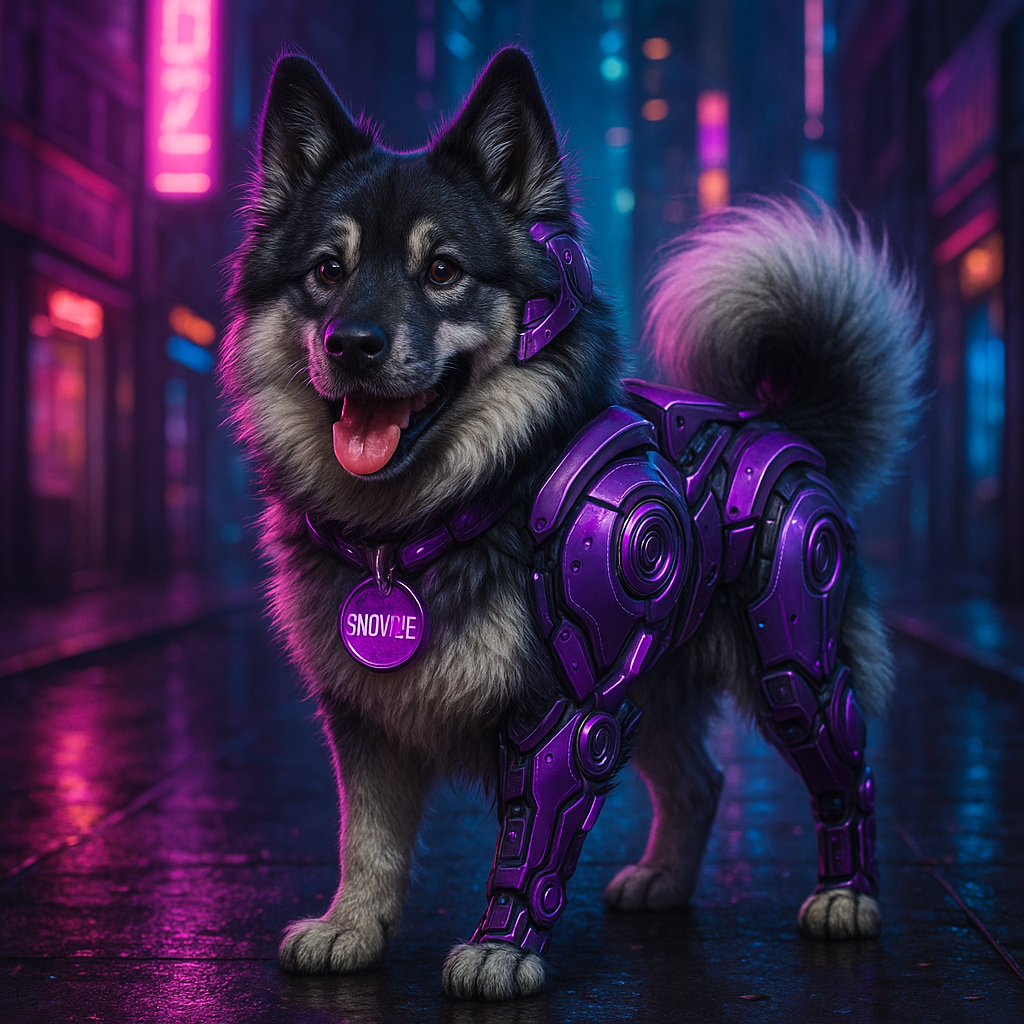
SnowzieMcTweak Approves!

Great job implementing event delegation and hit detection for our clicker game! The code is well-structured, properly commented, and optimized for performance. This will make our game responsive and fun to play.

The targets are easy to click, the visual feedback is satisfying, and the difficulty progression will keep players engaged. Time to commit the code!